
 Join Aomar Karim’s Official Channel
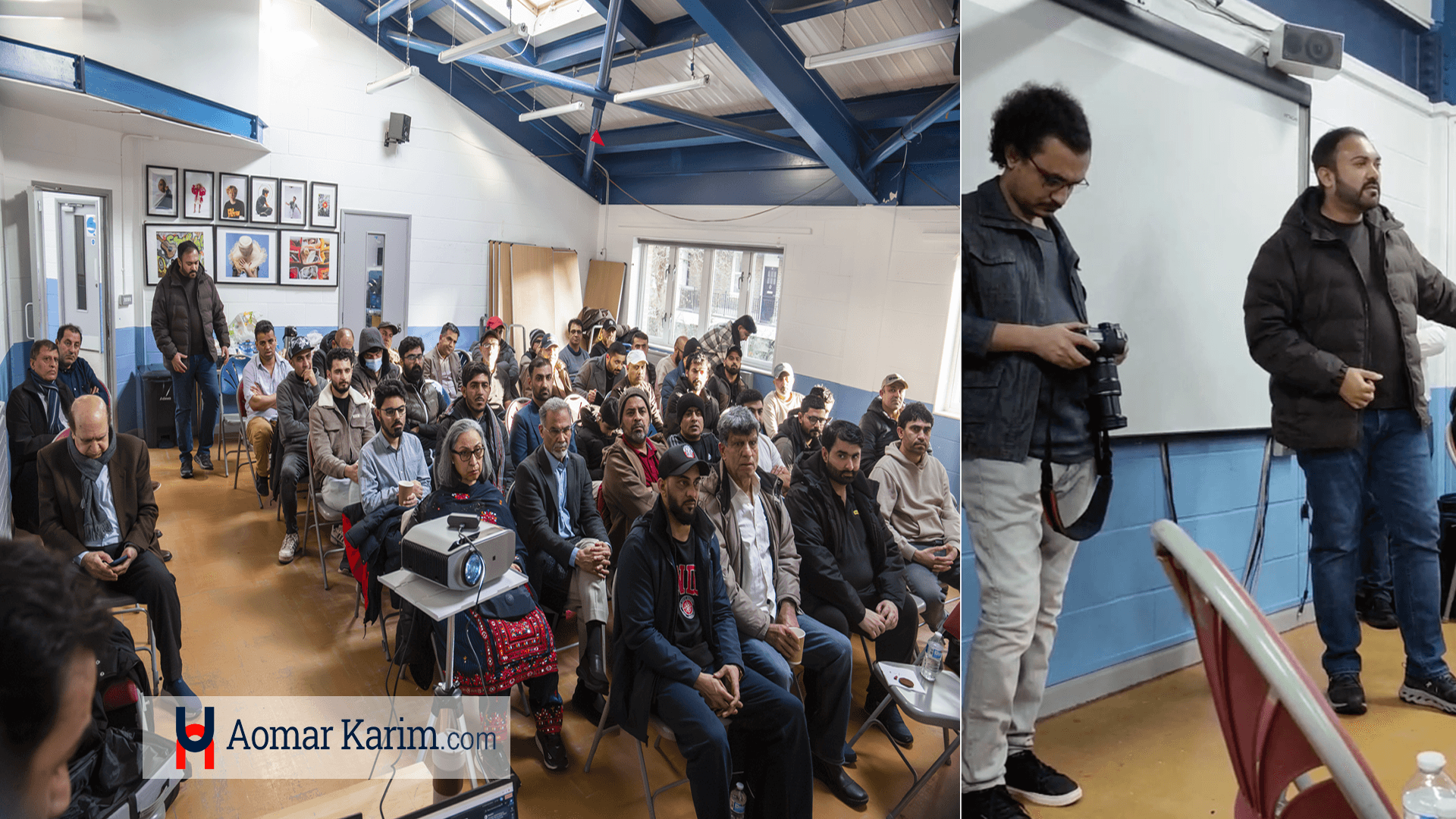
London, UK — Members of the Baloch diaspora, human rights activists, and community representatives gathered in London to mark Baloch Genocide Remembrance Day, observed annually on 24 January, to honour victims of enforced disappearances and alleged extrajudicial killings in Balochistan.
The event, organised by the Baloch Diaspora, focused on raising awareness of ongoing human rights violations in the region and expressing solidarity with affected families. Speakers and participants highlighted the lack of accountability and urged the international community to take meaningful action to address the long-standing crisis.
The date holds particular significance due to the 2014 discovery of mass graves in Tootak, Khuzdar, where more than 100 decomposed bodies were uncovered. Amnesty International later confirmed that at least 169 bodies were found, while local human rights organisations maintain that the actual number may be higher. The discovery remains one of the most disturbing revelations linked to alleged state violence in Balochistan.
During the seminar, discussions centred on enforced disappearances, extrajudicial killings, and the broader suppression of civic freedoms in the region. Participants emphasised remembrance as both a moral obligation and a form of peaceful resistance, aimed at preserving historical truth and demanding justice.
Aomar Karim, a Baloch political activist and digital media professional, participated in the event and expressed solidarity with the victims and their families. He also provided technical and media support during the programme, contributing to event documentation, digital coordination, and coverage to ensure wider public outreach and visibility.
The organisers stated that Baloch Genocide Remembrance Day is not only a moment of mourning, but also a call to action, urging governments, international institutions, and human rights bodies to investigate alleged abuses and support accountability mechanisms.