
 Join Aomar Karim’s Official Channel
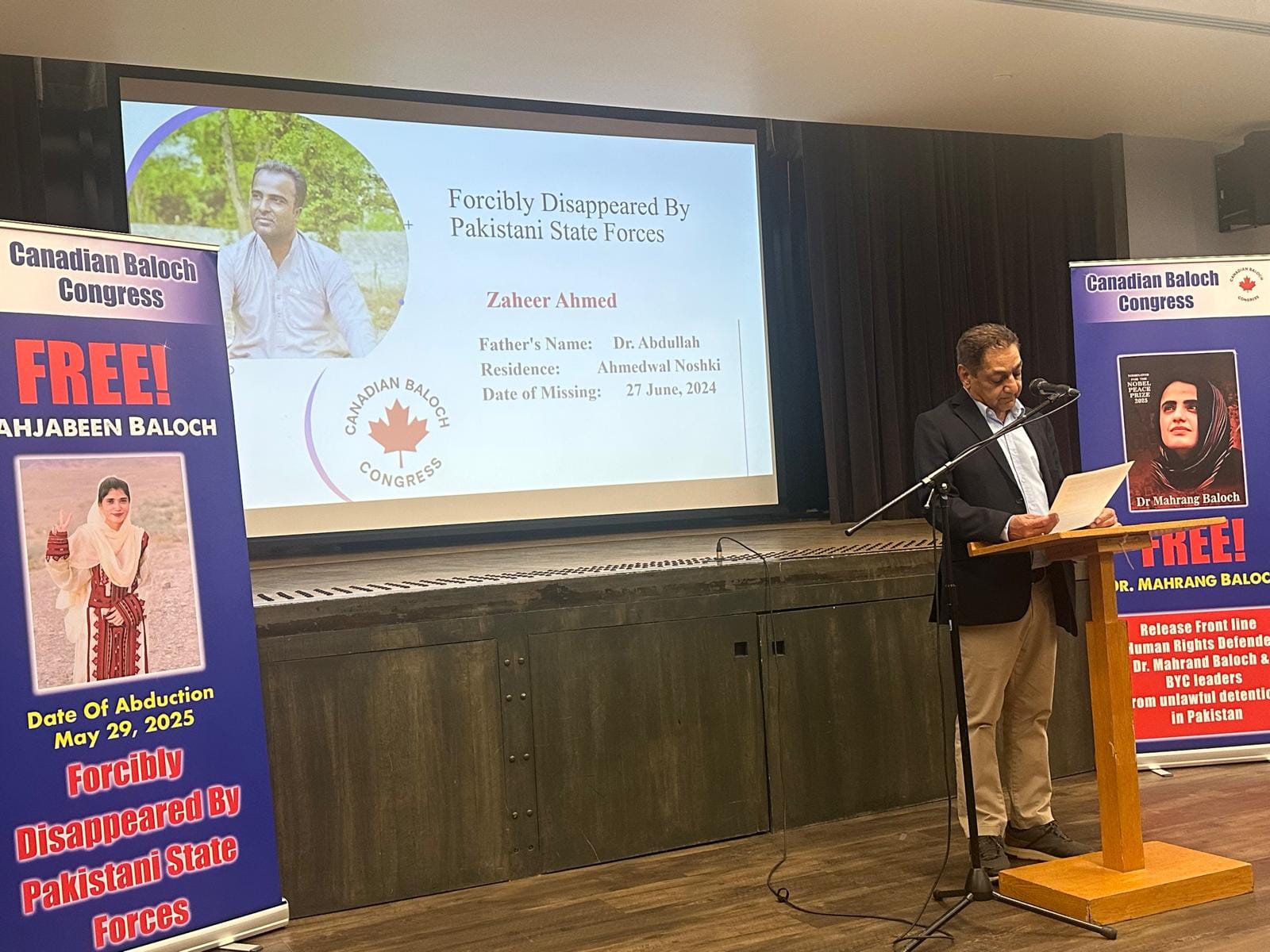
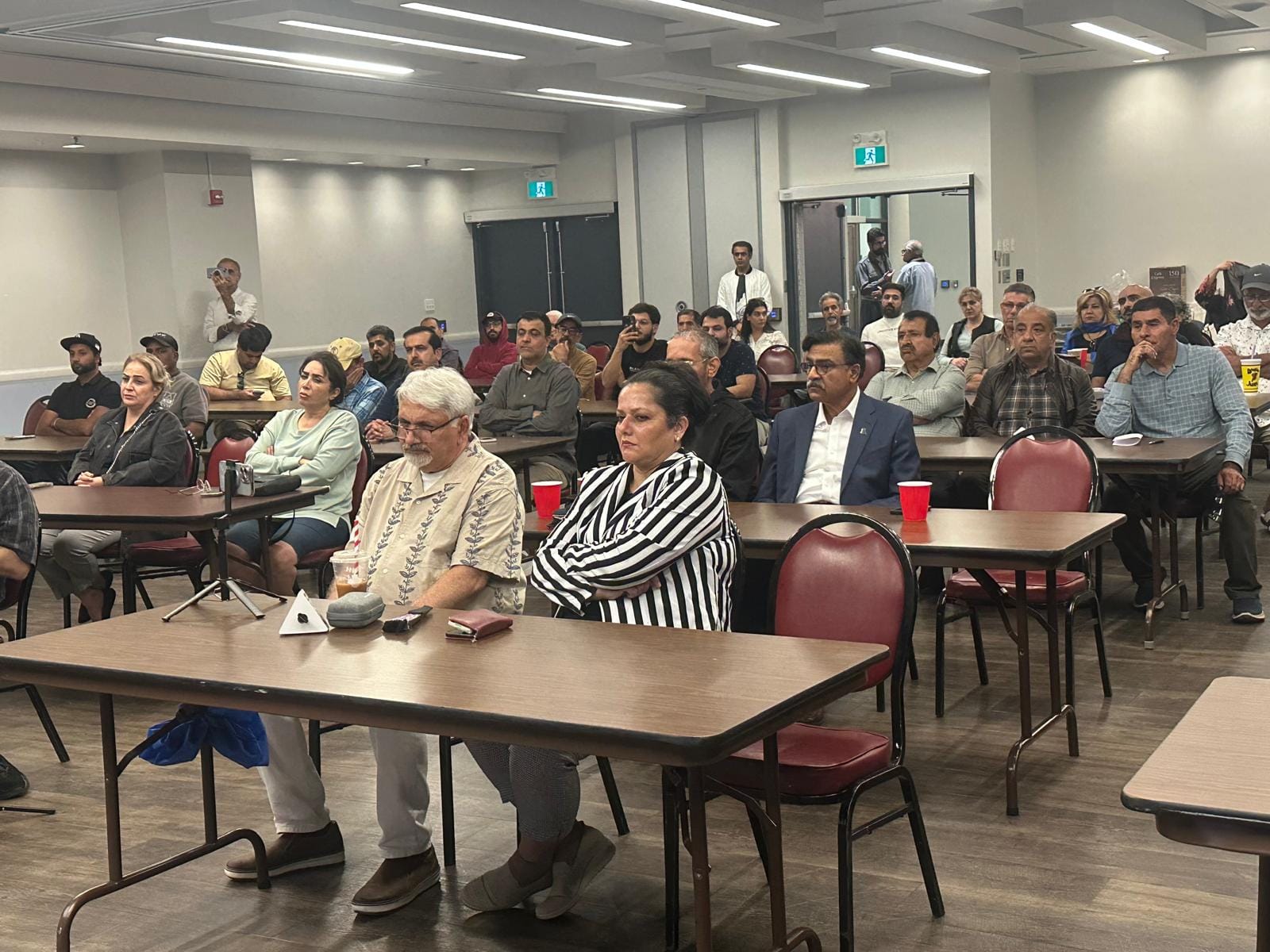
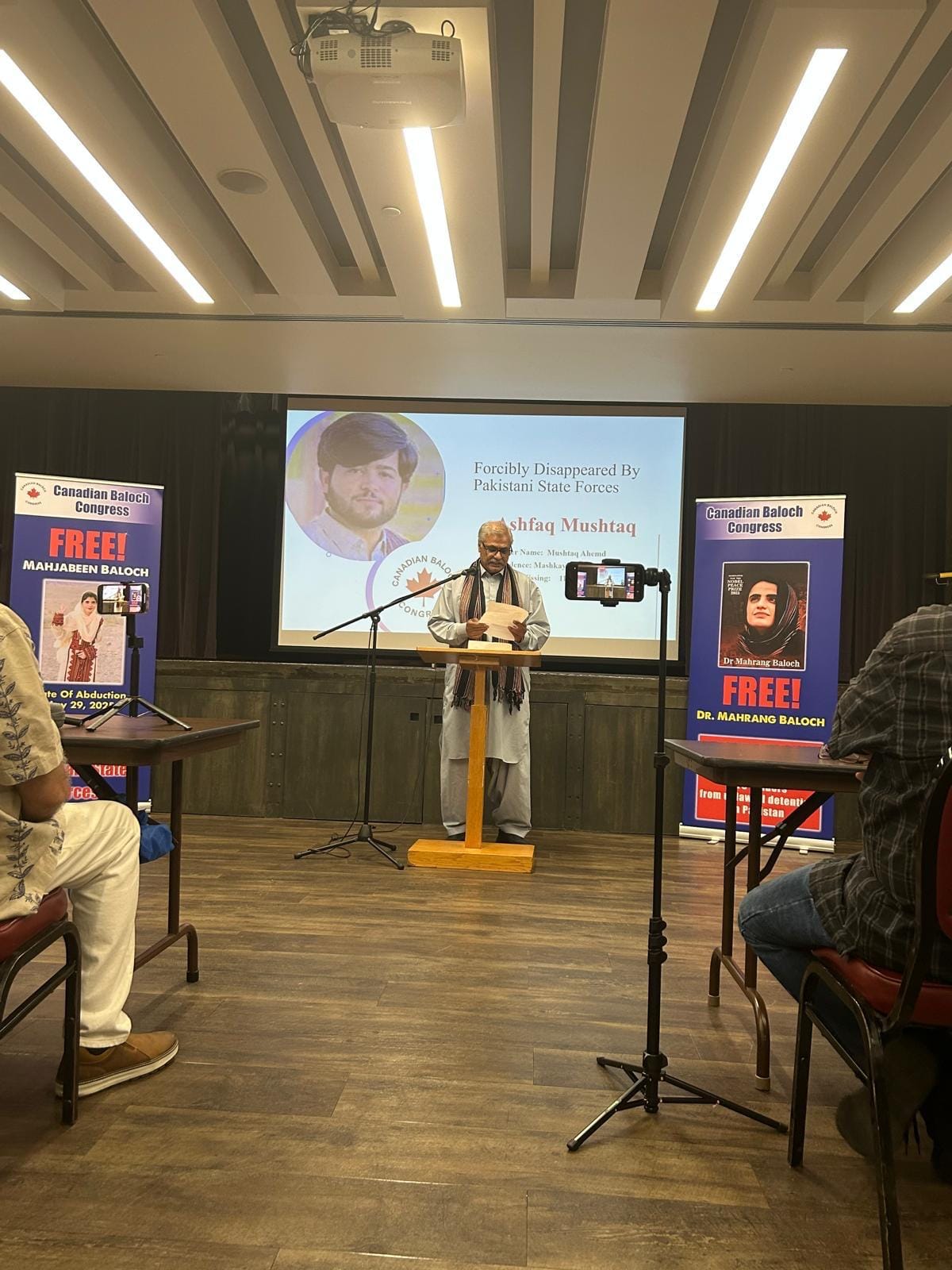
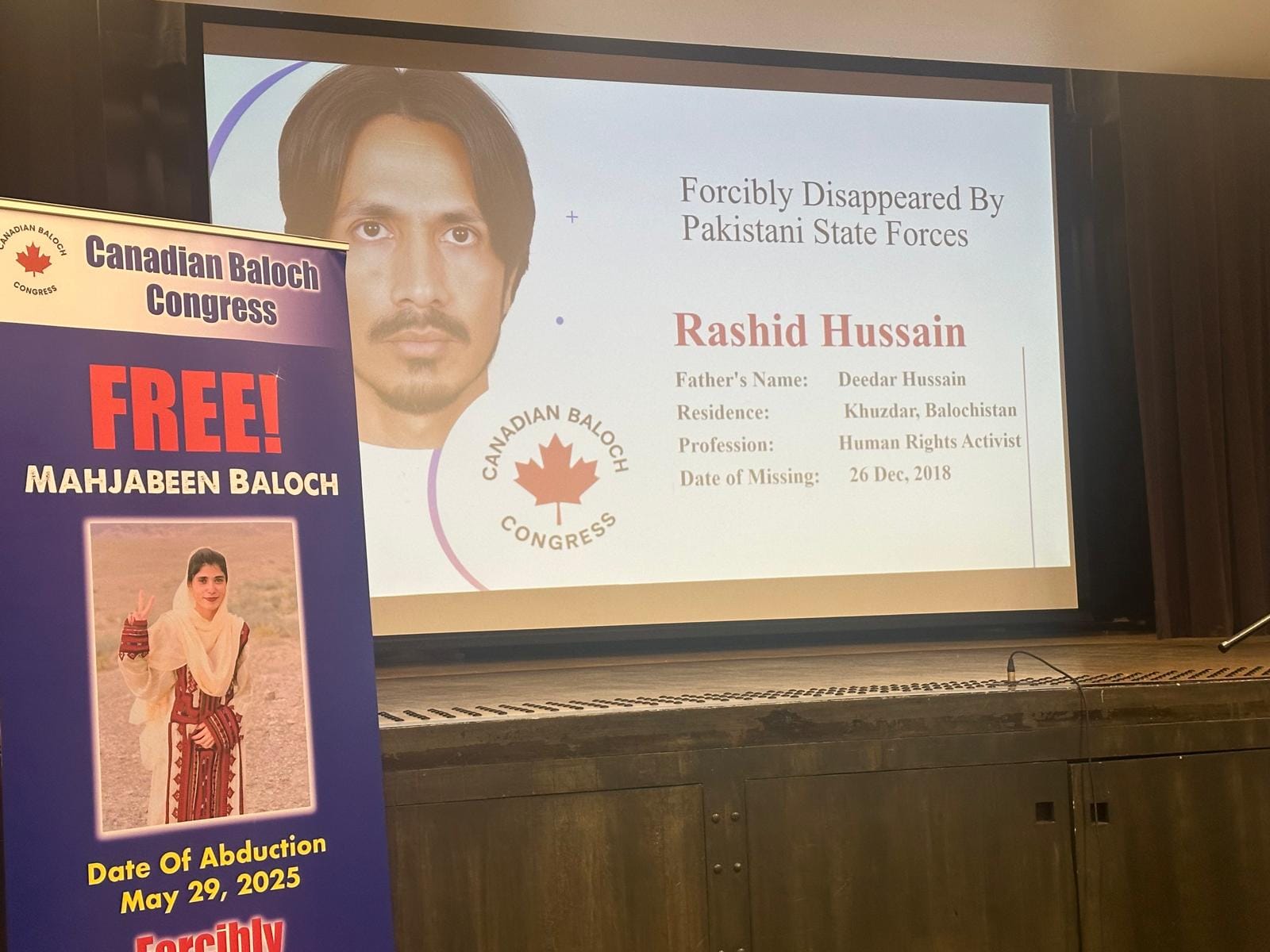
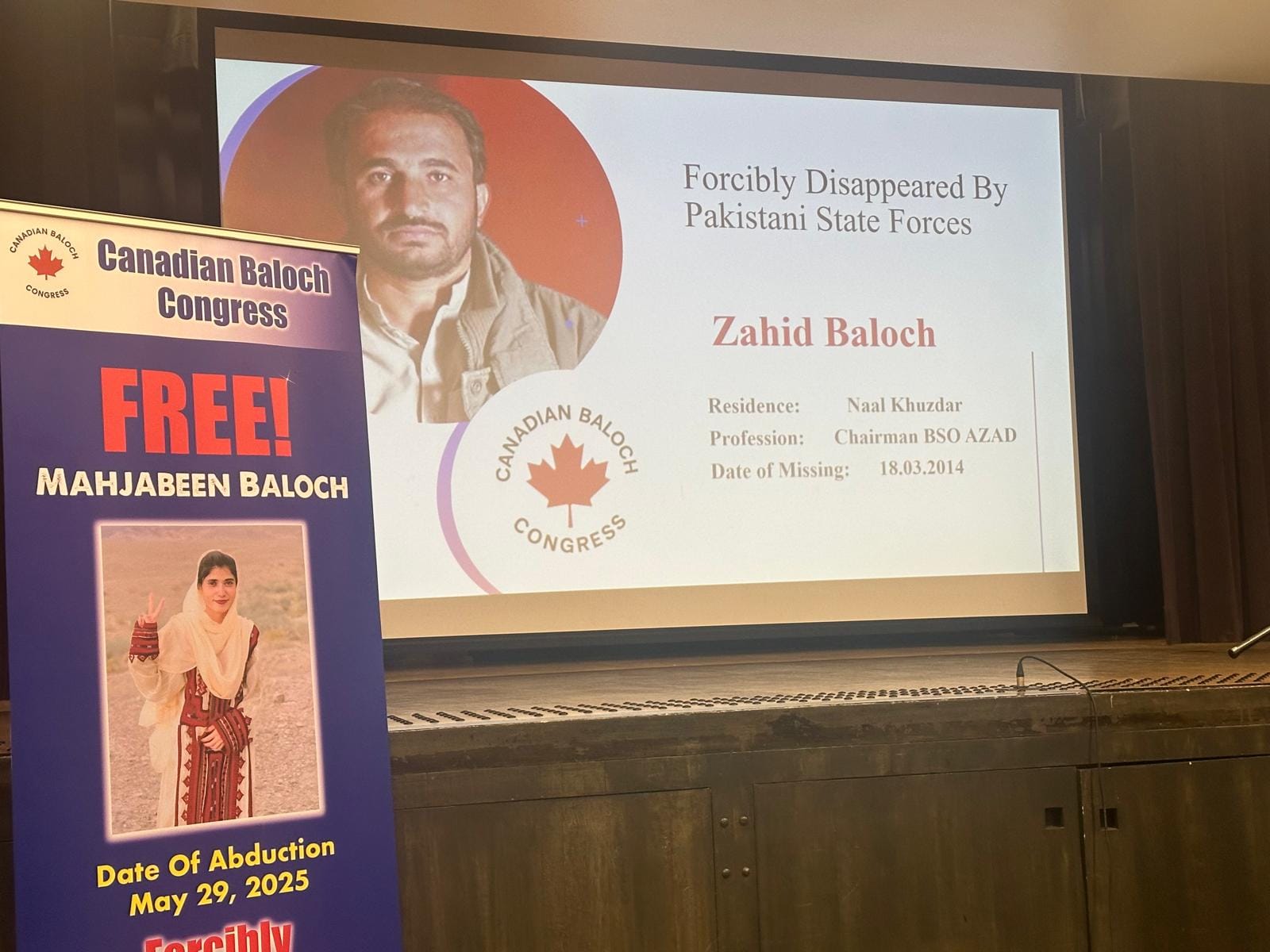
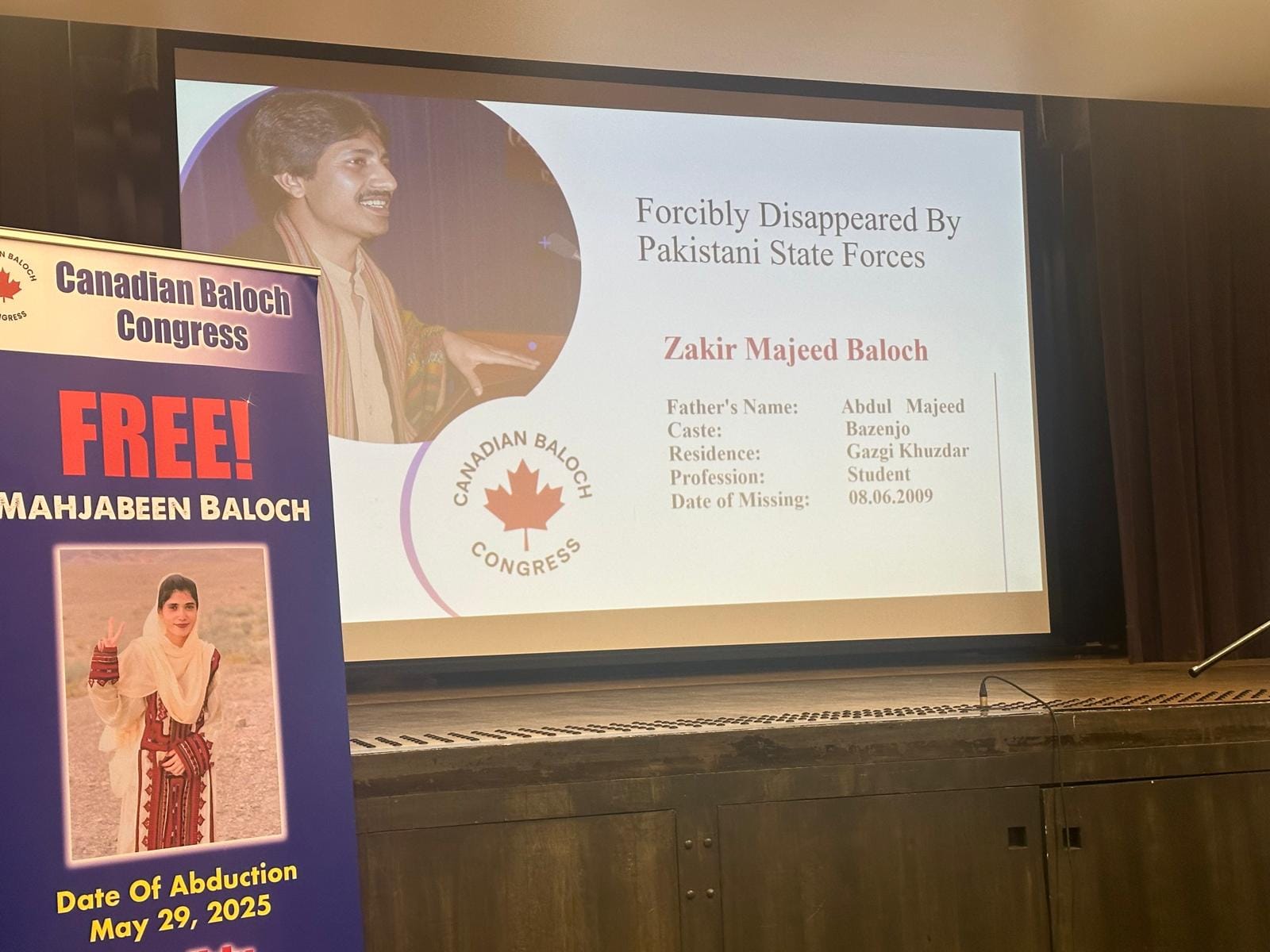
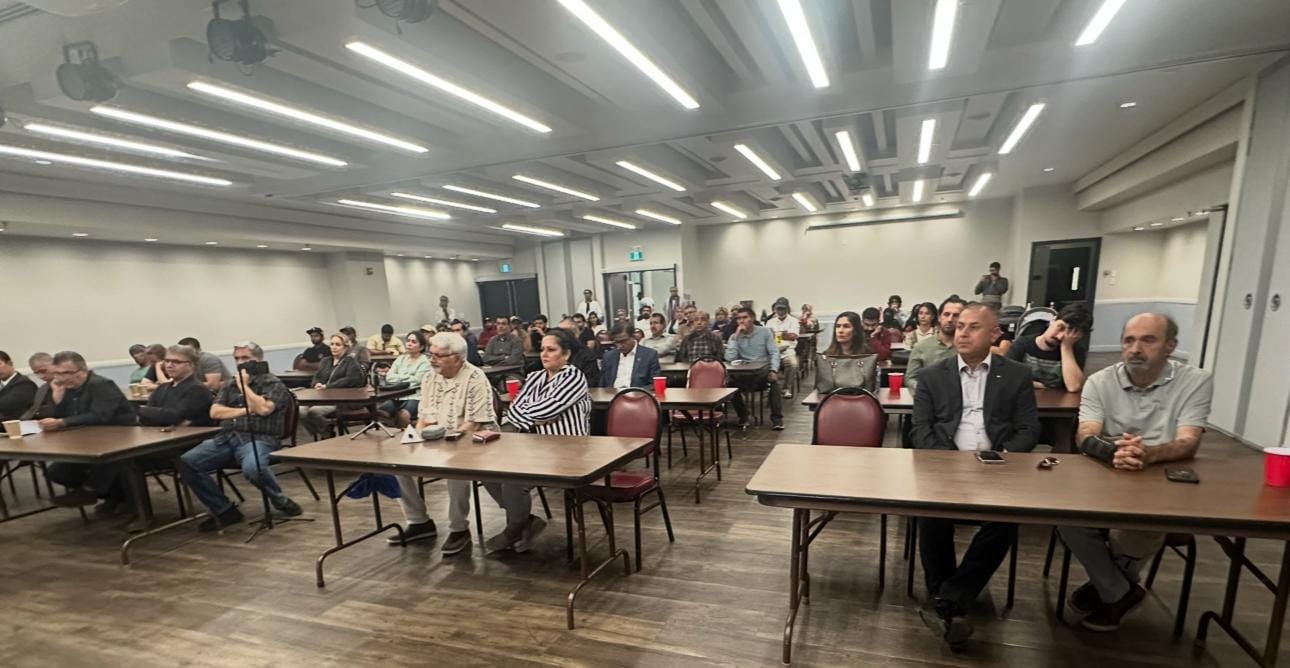
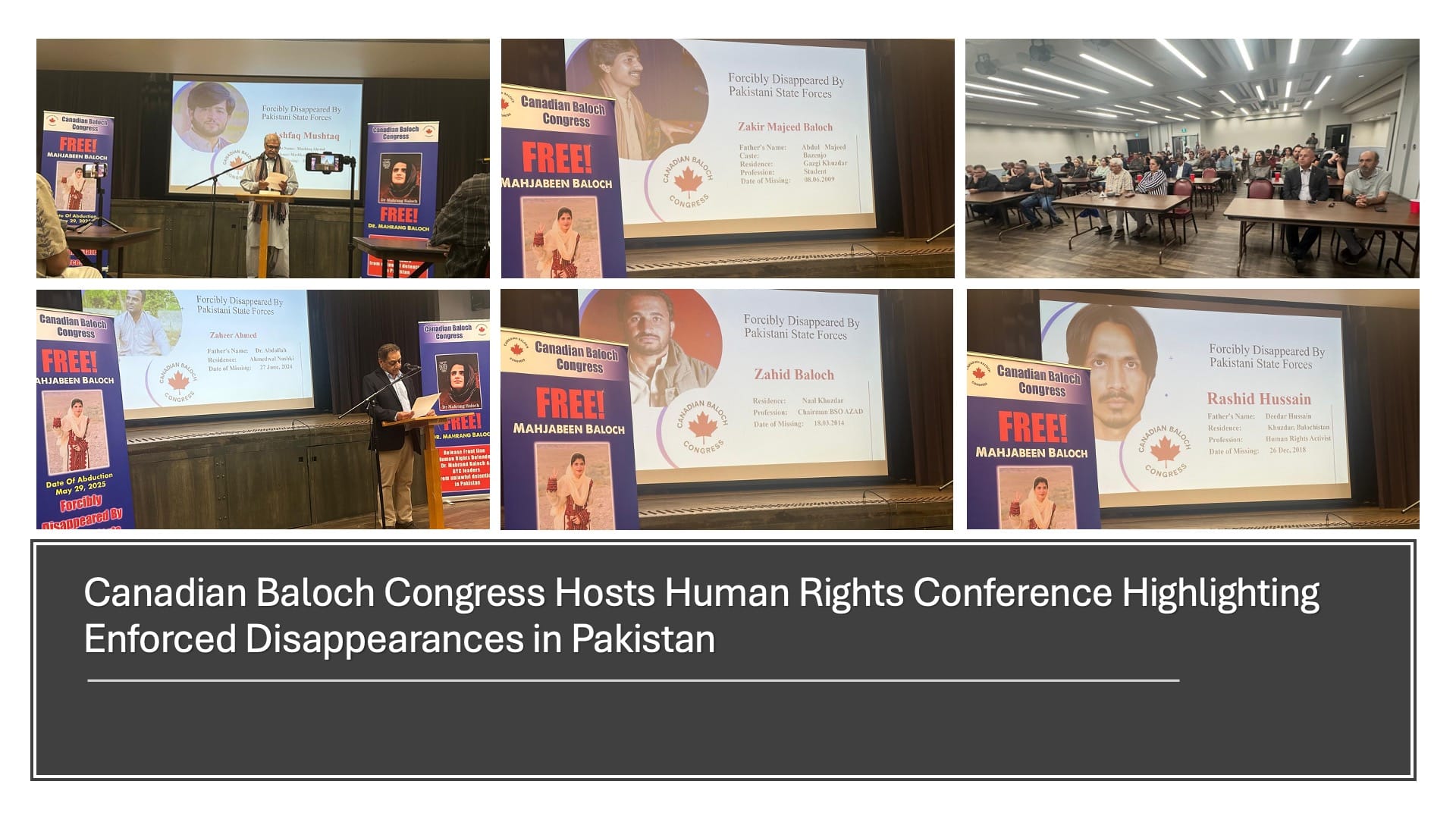
Toronto, Canada – The Canadian Baloch Congress (CBC) hosted a human rights conference in Toronto to mark the UN-designated International Day of the Victims of Enforced Disappearances. The event highlighted the plight of missing individuals in Pakistan and the ongoing suffering of their families.
Speakers at the conference emphasised the increasing trend of enforced disappearances across Balochistan, Sindh, and Khyber Pakhtunkhwa, targeting political activists, human rights defenders, and students. Notable cases discussed included Baloch activist Dr. Mahrang Baloch and members of the Baloch Yakjehti Committee (BYC), whose detentions have drawn widespread international condemnation.
Bushra Khan, General Secretary of the Pashtun Council in Canada, called for the immediate release of all those wrongfully imprisoned. She noted that organisations such as Amnesty International, Human Rights Watch, and the International Human Rights Commission have deemed enforced disappearances illegal, yet Pakistan continues these practices without accountability.
Dr. Zaffar Baloch, President of the Baloch Human Rights Council of Canada, warned that Islamabad’s recent anti-terror legislation is being misused to silence dissent. “Individuals who oppose enforced disappearances or speak out against human rights abuses risk being labelled terrorists,” he said, highlighting that many political activists are detained without fair trials under vague anti-state accusations.
Siraj Khan, founding member of the Pashtun Council Canada, stressed that Pashtuns, Baloch, Sindhis, and other marginalised communities have long been exploited for their resources. He called for a united front among oppressed communities to challenge Pakistan’s authoritarian policies.
Sami Jan Mengal, activist with the Baloch Human Rights Council, described the escalating humanitarian crisis in Balochistan. “Baloch students are taken from classrooms, fathers snatched from homes, daughters abducted from streets. Civilians live in constant fear,” he said, urging global powers and democracies to acknowledge and address the situation.
The conference concluded with a collective appeal for international awareness and action, demanding accountability from the Pakistani state for what participants called “crimes against humanity.